By Nkosentsha Khumalo
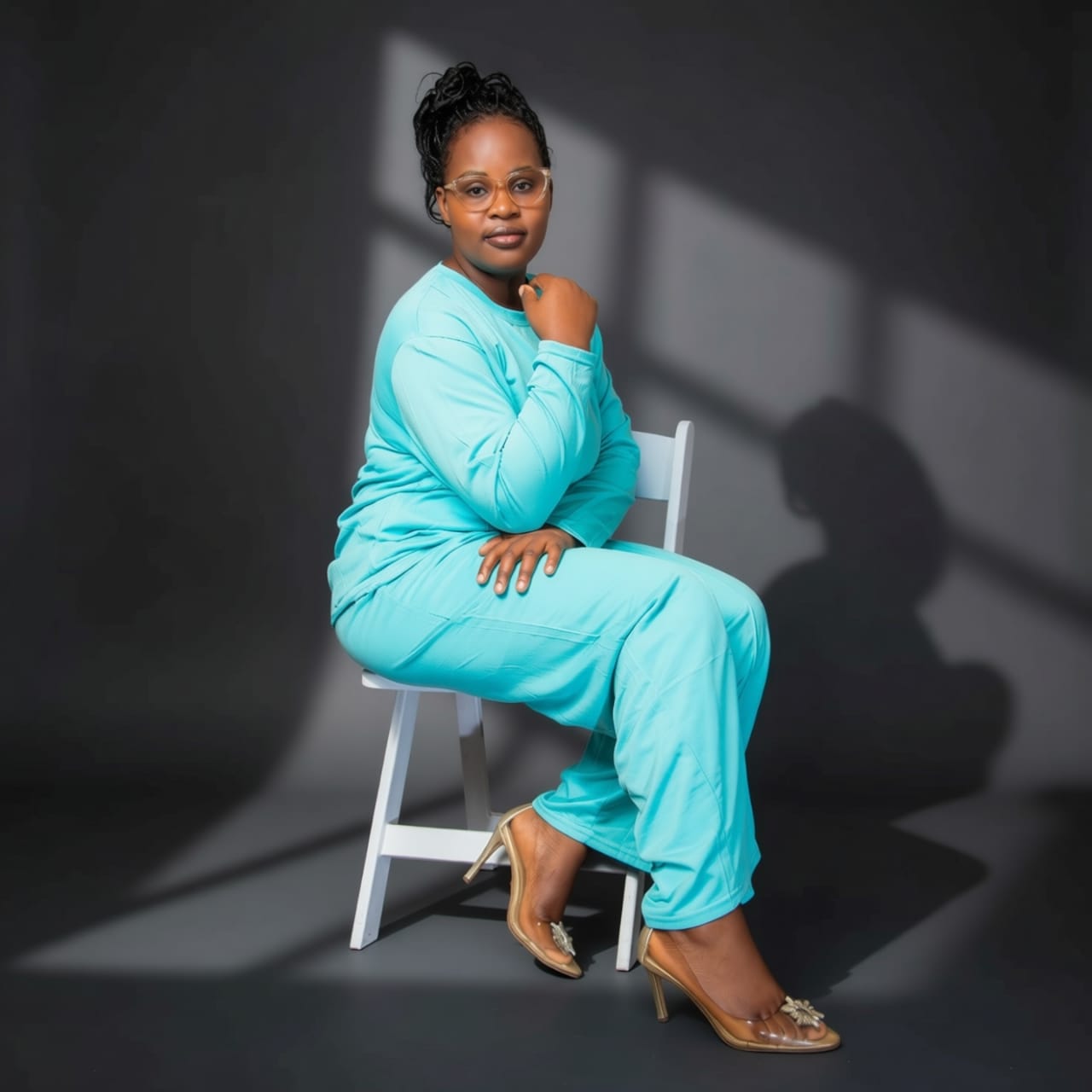
ESTEEMED Businesswomen Zimbabwe (EBZ) Founder and Entrepreneur, Sipho Mazibuko, has said that Zimbabwe's female entrepreneurs are rewriting the rules of success despite the country's economic turmoil.
Like a pot of water simmering over the fire, Mazibuko said the influence of businesswomen is slowly but surely changing the landscape of the economy.
Female entrepreneurs are seemingly defying expectations and rewriting the narrative of what is possible. In a society that has historically favoured men, they are carving out their place at the table.

They are rewriting the script and taking charge of their destiny
From the cities to the countryside, women entrepreneurs are thriving. In markets and bazaars, they are setting up shop and selling their goods directly to consumers.
In rural areas, they are bringing new opportunities and economic growth through farming projects. They are building businesses that support their communities and uplift those around them.

In every corner of the country, their impact is undeniable. Like the rain that waters the crops, they are nourishing the economy and helping it to bloom.
In February of this year, EBZ journeyed to the Matabeleland South Province, like a river flowing into a new territory, bringing with it a flood of opportunity for women entrepreneurs and small businesses.
This expansion is like a small pebble thrown into a still bond, sending ripples of opportunity and prosperity out to the farthest reaches of Zimbabwe.
With each wave, EBZ's 3,000 strong membership will grow, creating a powerful force for economic change. The organization is committed to working hand in hand with the government, weaving a strong and sturdy Web of support for entrepreneurs and small businesses across the nation. Together, they will form an unbreakable foundation upon which a new era of prosperity can be built.
Renowned businesswoman, Mazibuko said the role of women has taken on a new dimension, with women now leading businesses without the aid of men.
This shift in leadership dynamics within SMEs has sparked discussions on the challenges faced by these enterprises, particularly in terms of funding and entrepreneurship skills.
Despite obtaining funding, the crucial task of effectively managing a business remains a significant hurdle for many.
"Small and Medium Enterprises (SMEs) have come to be led by women, who can now manage their businesses independently without the aid of their husbands.
"The Ministry of Women Affairs has also provided crucial support with funding to women entrepreneurs. I managed to get a US$3,000 loan for the purchase of decorating equipment, which did not require any collateral.
"One of the biggest challenges faced by women entrepreneurs is access to funding, as well as a lack of entrepreneurship skills. Many women can obtain funding for their businesses, but may not have the necessary knowledge to effectively manage and grow them," said Mazibuko.
"You shouldn't be taking money out of your business to pay for basic needs like bread or transportation. Many women entrepreneurs lack that level of financial discipline and entrepreneurial skills. This is where government support can be crucial, by providing training on basic financial management and how to navigate the marketplace."
Despite these challenges, Mazibuko said many factories in Bulawayo have closed down and been replaced by churches, but women-owned SMEs are keeping the local economy alive.
She emphasised that Small businesses are the engine of the country's economic growth, and women play a vital role in that engine.
Mazibuko asserverated that the government should provide training for women entrepreneurs, but as times continue to evolve, this training must include more about using technology.
She further emphasised that since commerce is increasingly online, it's important for women to learn how to sell online.
"I have been collaborating with the Minister of Information Communication Technologies (ICT) to provide training in Matabeleland so that women entrepreneurs there can take advantage of the opportunities technology provides.
Mazibuko concluded that women in Matabeleland are very talented, making beadwork, baobab products, and more.
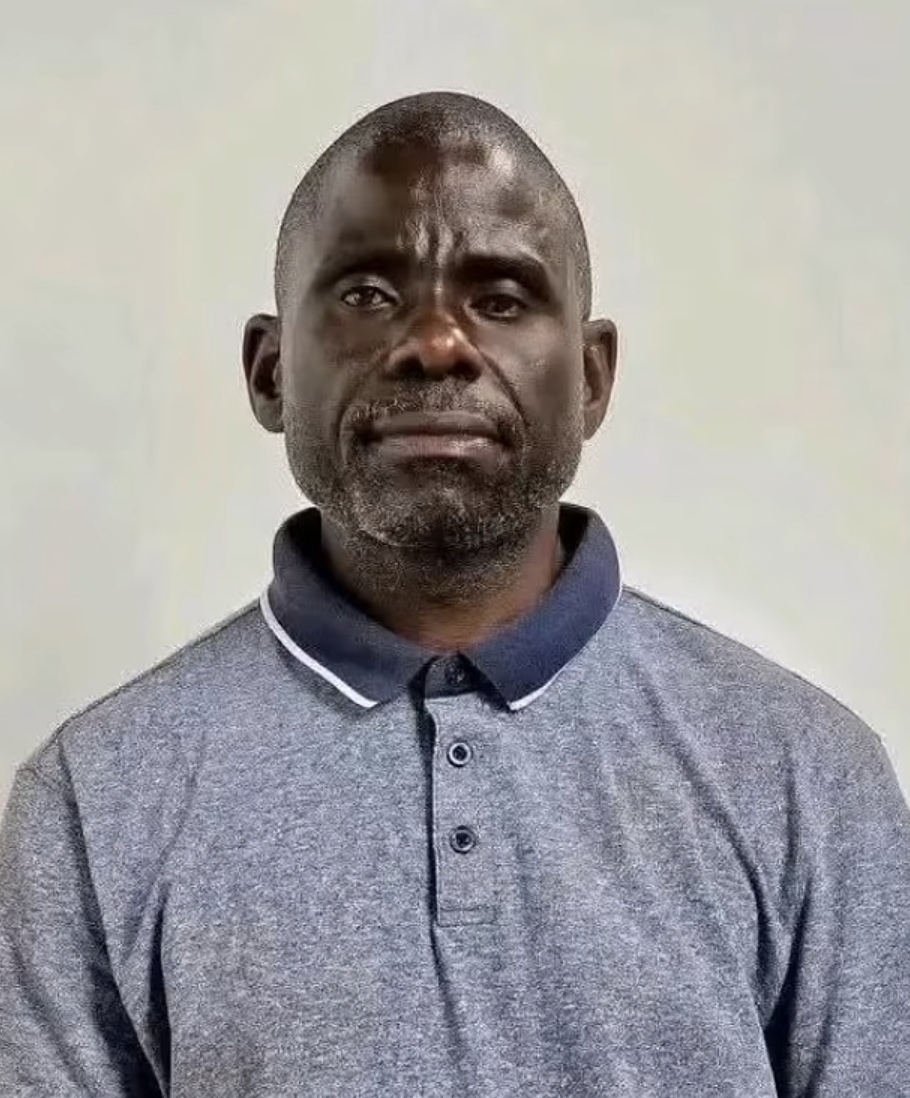
Economic Analyst Stevenson Dhlamini from the National University of Science and Technology (NUST) said women entrepreneurs in Zimbabwe have a commendable potential to contribute significantly to the economic transformation of the Zimbabwean economy.
He added that their skills, creativity and entrepreneurial spirit have the potential to drive innovation and contribute significantly to economic growth and transformation.
"There have been significant strides in recent years, with more women in Zimbabwe starting and leading businesses independently. Women-owned businesses are making notable contributions to the economy, creating jobs, driving innovation, and contributing to economic growth."
"While women in Zimbabwe are increasingly taking on leadership roles and starting businesses on their own, it is important to note that there is still a significant gender gap when it comes to entrepreneurship.
"Women entrepreneurs in Zimbabwe often face challenges such as limited access to financing, societal expectations, and cultural barriers that can hinder their progress."
Dhlamini revealed that efforts from various stakeholders are needed to support women entrepreneurs, including government initiatives, NGOs, and advocacy groups, which should be focused on empowering the entrepreneurs and providing them with the necessary support and resources to succeed.
He stated that the support towards women entrepreneurs should include access to finance, business training and mentorship programs, networking opportunities, and policies that promote gender equality in entrepreneurship.
"While progress is being made, there is still work to be done to achieve greater gender equality in business leadership in Zimbabwe. It is essential to continue supporting and empowering women entrepreneurs, breaking down barriers, and creating an environment where women can thrive and lead businesses independently."
"By creating an enabling environment that empowers women entrepreneurs, Zimbabwe can tap into a vast pool of talent and expertise. This, in turn, can lead to increased job creation, improved productivity, and sustainable economic development," said Dhlamini.
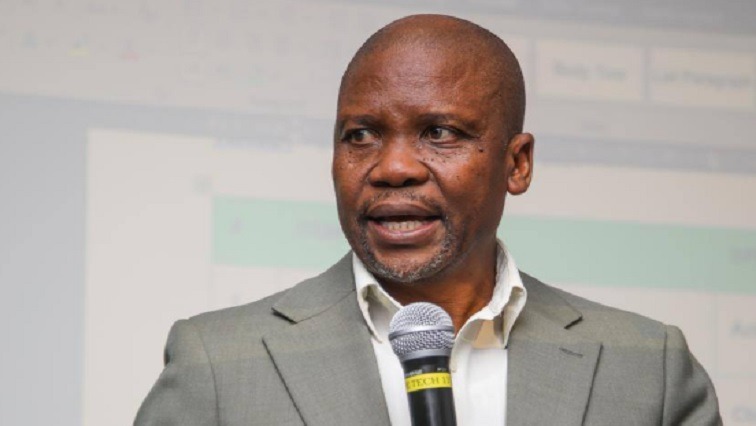
Bulawayo Upcoming Traders Association (BUTA) Spokesperson Nonhlanhla Hlabangana said women have even more ability than men when it comes to running businesses.
"I believe that women actually have more abilities than men when it comes to running businesses. Women are not prideful and are always eager to showcase their skills, and they are willing to take risks. This gives them an edge over men in the business world."
"Most trips to Tanzania, South Africa, and even China are organised by women entrepreneurs because they always ready to export and import goods."
"Poultry projects are mostly run by women, in farming women are leaders, its rare to find men in mushroom farming and now women are even into venturing into mining."
Hlabangana, however said that women entrepreneurs face challenges of competition in the business industry due to the fact that many people are now venturing into businesses.
She cried foul over government policies such as payment of duty, which is too high, adding that some goods are even restricted at the border.
Hlabangana said amongst other challenges is identifying successful business opportunities,
sourcing capital as most banks need collateral in order to process loans.