By MKHOKHELI ZIBENGWA
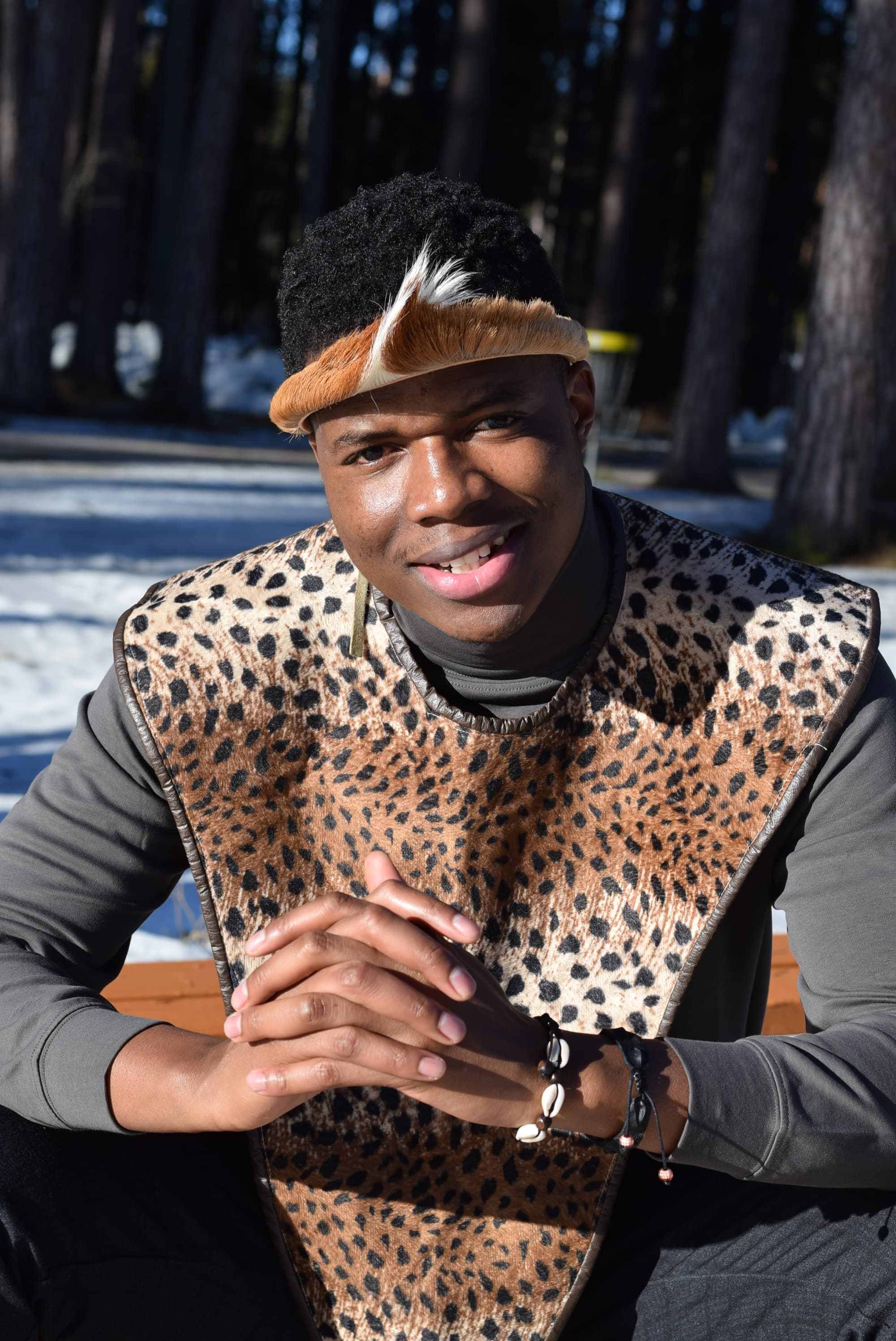
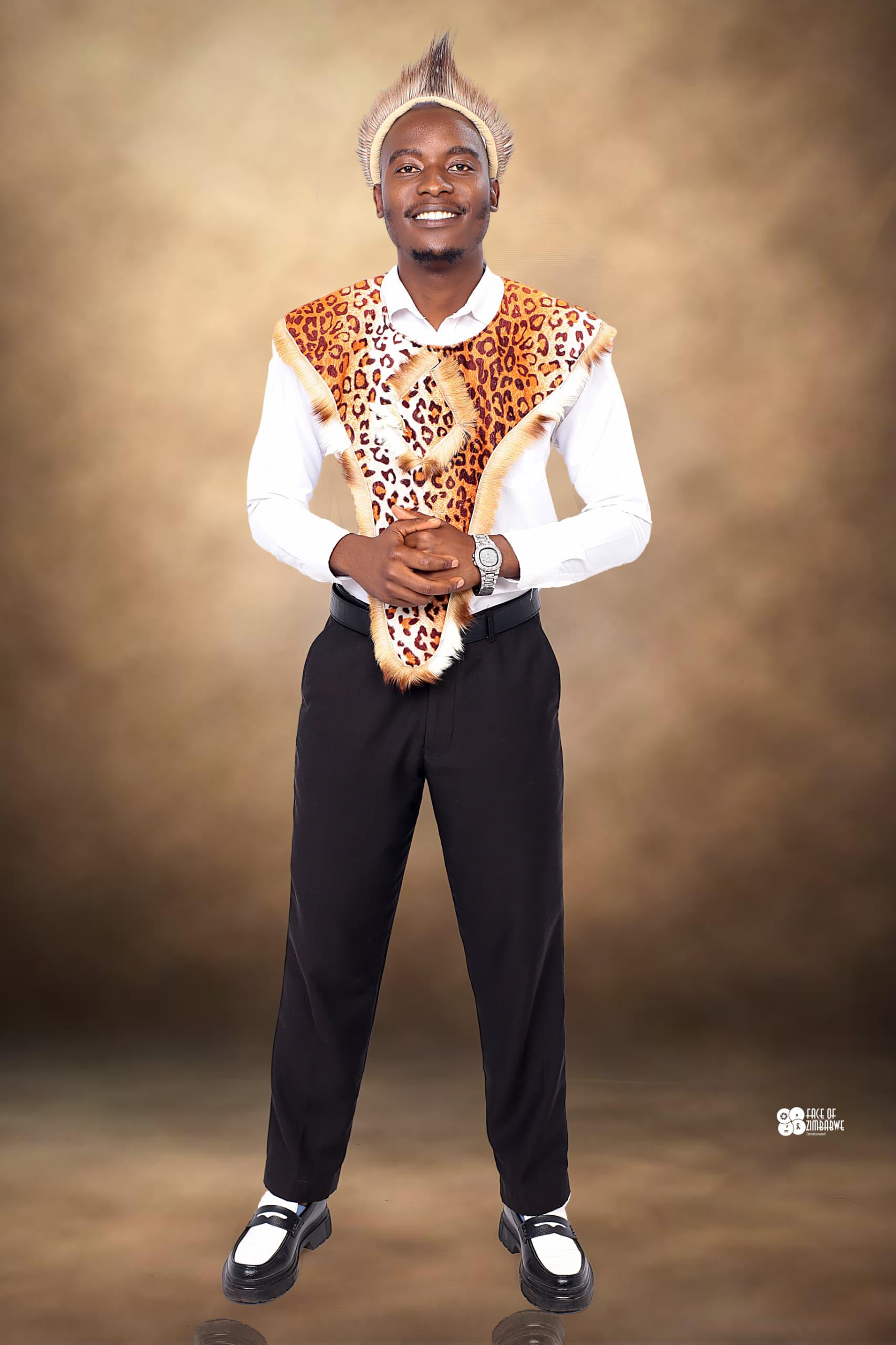
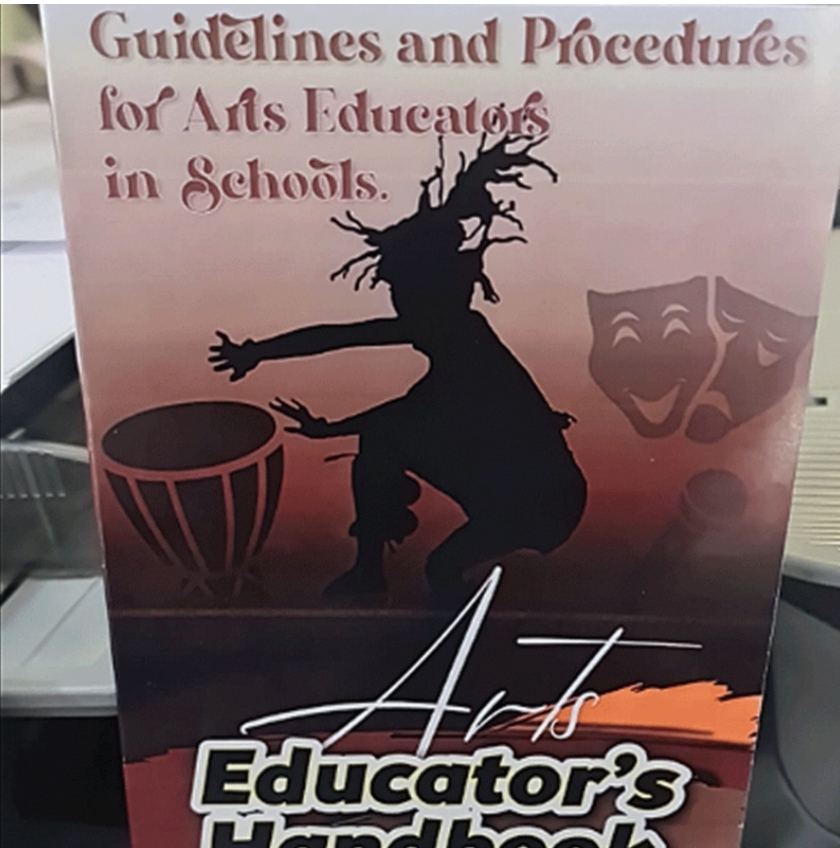
Taurai Moyo, a Manicaland-based arts advocate and educator who is also the founder and Director of Chenhaka Trust, an arts organization dedicated to inspiring creativity and positive change, has released a new book titled Arts Educators Handbook.
According to the author, the book aims to help arts educators in their job by giving critical guidance on best practices, ethical values, and priorities for ensuring a safe, inclusive, and stimulating learning environment.
"This book is designed to address three primary concerns in the arts sector, particularly in schools. Firstly, it tackles the pressing issue of lack of professionalism among arts educators, providing guidance on ethical conduct, boundaries, and best practices. Secondly, it aims to protect learners from various forms of abuse, violation of modesty, and discrimination, ensuring a safe and respectful learning environment."
"Lastly, it offers practical advice and guidelines for artists and educators on the 'Dos and Don'ts' when working in schools, empowering them to operate professionally, maintain appropriate boundaries, and foster a culture of respect and inclusivity. By addressing these critical areas, my book seeks to elevate the standards of arts education and create a positive, supportive, and nurturing environment for all learners."
"Above all, the book provides procedures for Arts Education initiatives by both artists and school learners in support of Heritage Based Education 5.0 which is grounded in Zimbabwe’s heritage-based philosophy and guided by National Development Strategy 1 (NDS1)," said Moyo
Published under the Creative ACTIONS 2 project, in partnership with the Culture Fund of Zimbabwe funded by the European Union, Arts Educators Handbook is divided into key sections, starting with the goals of the book and an essential 'Know the Law" session, which covers the legal frameworks that shapes the arts educators' work.
The book then dives into the heart of artistic expression, cultural rights and the rights of children, persons with disabilities, and marginalized communities.It then explores the importance of multiculturalism, self-belonging, and the impact of religion, racial and ethnic discrimination and gender discrimination in the work of arts educators.
Asked what inspired him to pen the book, Moyo said:
"My inspiration to pen this book stemmed from the rising need to address the lack of professionalism in the arts sector, particularly in schools.I witnessed first hand how some artists, entrusted with teaching learners, fell short of expectations. This inadequacy not only compromised the quality of arts education but also put vulnerable children at risk."
"I wrote this handbook to not only elevate the standards of arts education but also to safeguard children under 18 from potential abuse and violations of modesty by arts educators"
Moyo went on to share some of the initiatives him and his Organization have been doing to support and empower children with Arts education.
"Through my work, I've been dedicated to empowering pupils with arts education, and currently, me and my organization are implementing a capacity building project under the Creative ACTIONS 2 project, in partnership with the Culture Fund of Zimbabwe funded by the European Union."
"This initiative has enabled us to produce a comprehensive book and provide free training for schools across all 7 districts of Manicaland. In collaboration with the National Association of Primary Heads (NAPH) and National Association of Secondary Heads (NASH) Manicaland, we're delivering practical and theoretical skills training in Mhande dance to both learners and teachers."
"Our 2-day workshops in each district aim to equip participants with the skills and confidence to integrate arts education into their curriculum, promoting creativity, cultural preservation, and artistic expression. By empowering teachers and learners alike, we hope to create a lasting impact on the arts education landscape in Zimbabwe," he said