By Mkhokheli Zibengwa
The 2025 Pre-Budget Seminar, currently underway in Bulawayo, has set the stage for Zimbabwe’s 2026 National Budget discussions under the theme Enhancing Drivers of Economic Growth and Transformation Towards Vision 2030.
Running until November 9, the seminar brings together Members of Parliament, government ministers, and key stakeholders to review the country’s economic progress as the National Development Strategy 1 (NDS1: 2021–2025) draws to a close and preparations begin for NDS2 (2026–2030).
Parliamentary portfolio committee chairpersons are presenting findings from stakeholder consultations, while ministers respond with policy insights to ensure the forthcoming budget reflects the nation’s priorities and citizens’ needs.
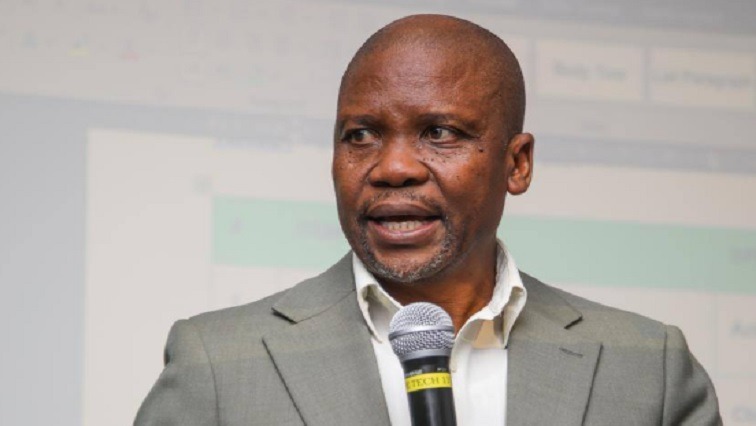
Finance, Economic Development and Investment Promotion Minister Professor Mthuli Ncube outlined the performance of the 2025 National Budget, key economic assumptions, and fiscal targets for 2026. He noted that despite earlier projections placing the exchange rate at USD1 to ZiG 36, the rate has remained relatively stable at USD1 to ZiG 26.7, signaling improved monetary performance as the year closes.
Professor Ncube highlighted that Zimbabwe is experiencing domestic currency stability for the first time since 2003. “Past phases, including the abandonment of the local currency, adoption of the US dollar, and reintroduction of the Zimbabwe dollar, were marked by instability. The current stability under the ZiG is a major milestone in our monetary history,” he said.
The Finance Minister also revealed ten priority areas guiding the 2026 National Budget framework, aligned with the upcoming NDS2. These include macroeconomic stability, infrastructure and housing development, agricultural productivity, climate resilience, digital transformation, job creation, social development, gender and social inclusion, national image building, and good governance. The budget assumes a gradual return to normal economic conditions by the end of 2026.
Addressing fiscal management concerns, Ncube clarified that Zimbabwe’s cash budgeting system — where payments are made only when funds are available — prevents fiscal shocks. “Arrears simply reflect temporary cash flow gaps, not fiscal distress. Contractors continue to work because of ongoing payments and strong working relationships,” he explained.
He further emphasized the importance of balancing foreign direct investment (FDI) with domestic direct investment (DDI). “While FDI brings large-scale capital for billion-dollar projects, we must also create a conducive environment for domestic investors. We are lowering excessive licence fees to reduce the cost of doing business,” he noted.
In a bid to enhance transparency and efficiency, Ncube announced that the Reserve Bank of Zimbabwe is spearheading a digitalisation drive, supported by technical assistance from India. As part of this initiative, all businesses will be required to install point-of-sale (POS) machines — a move expected to strengthen tax collection and modernise financial transactions.
Responding to calls for the reduction of the Intermediated Money Transfer Tax (IMTT), the Minister said the levy has played a vital role in funding key national programmes such as infrastructure development and COVID-19 vaccine procurement. He, however, proposed a possible trade-off: “We could lower the IMTT by half a percent if VAT is increased by the same margin. Revenue sustainability remains crucial for government operations,” he said.
The Pre-Budget Seminar remains one of Zimbabwe’s most important fiscal planning events, ensuring that policy direction and spending priorities are shaped by inclusive dialogue and aligned with the nation’s Vision 2030 goals.