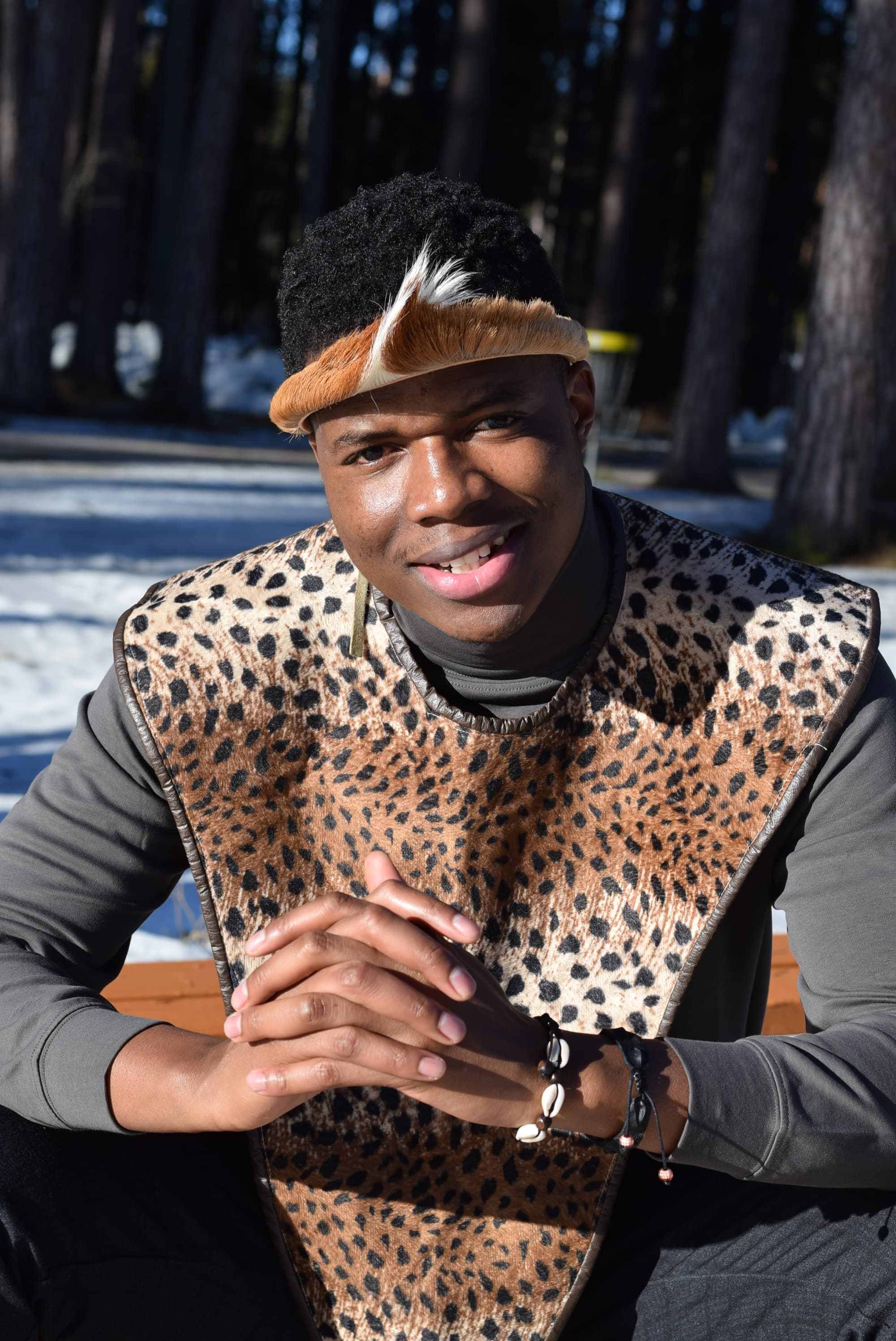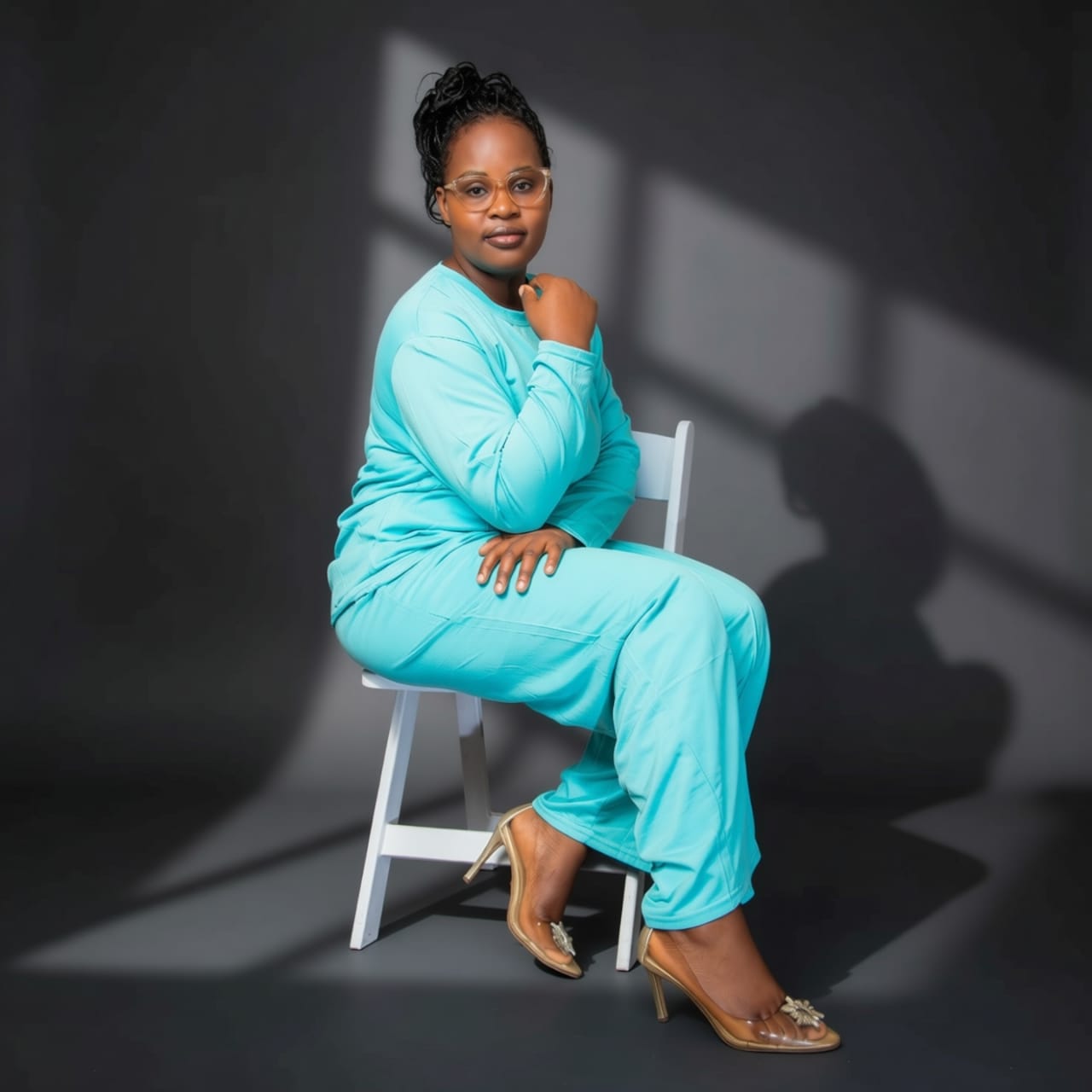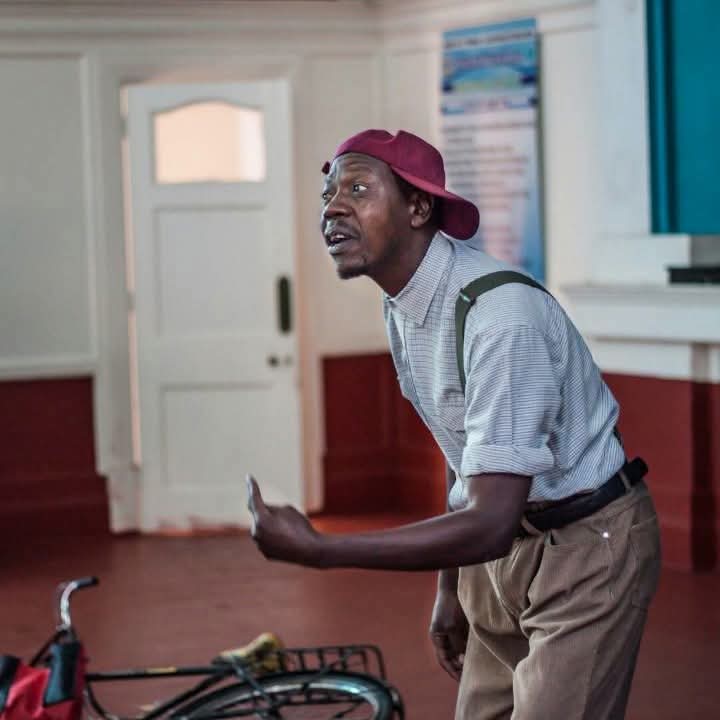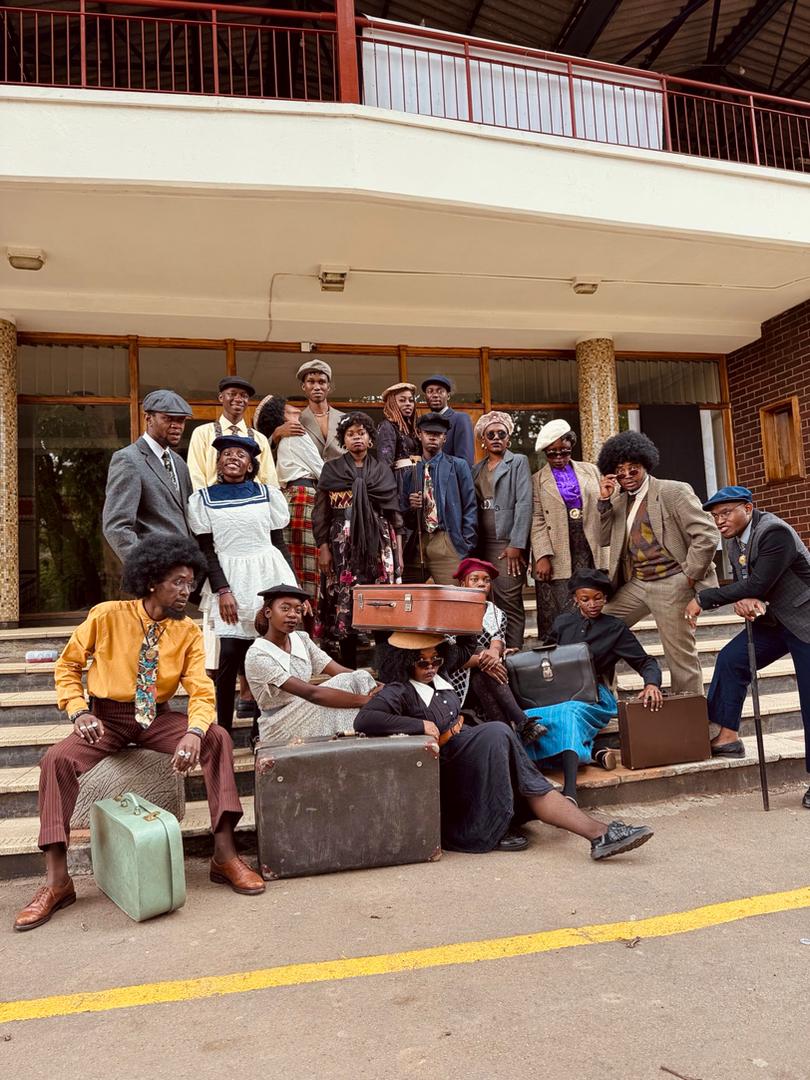
A bold cultural renaissance is unfolding in Bulawayo, one stitched together with old fabrics, revived rhythms and the timeless stories of yesterday.
At the centre of this movement stands the Vintage Culture Association, a dynamic collective redefining what it means to embrace Zimbabwean heritage in a modern world.
Founded on the belief that the past still has power, the group is blending nostalgia with innovation to create a new artistic identity for young Zimbabweans. Their mission is clear: to ensure that the country’s heritage does not fade into memory, but instead becomes a living force capable of inspiring present creativity and shaping future opportunity.
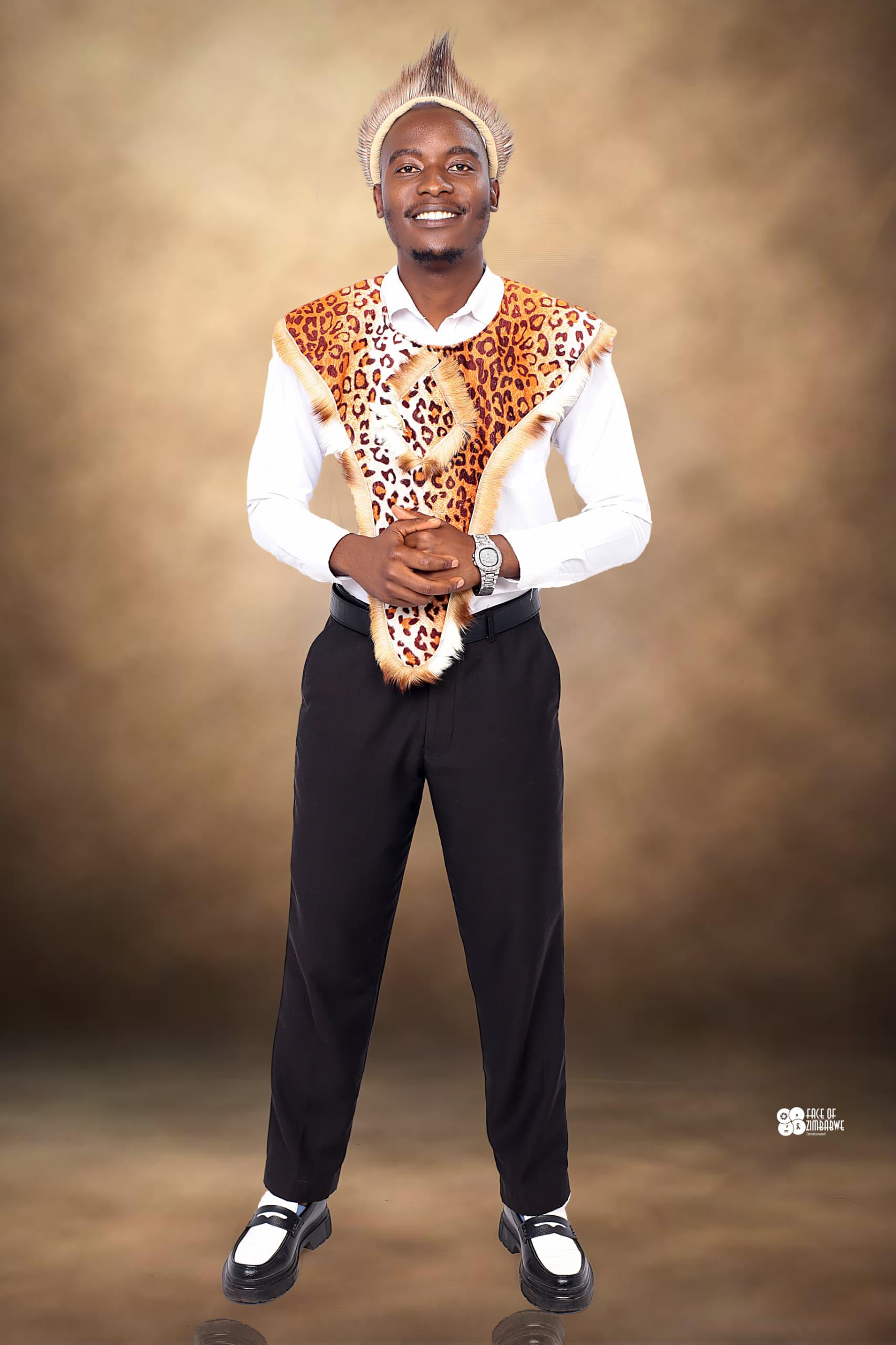
What makes the movement compelling is the way it transforms vintage culture from mere aesthetics into a meaningful language of expression. Their events, often filled with retro-inspired fashion, music and performance, unfold like carefully crafted time capsules that allow audiences to revisit older eras while experiencing them through the lens of modern imagination. A simple garment becomes a story. A melody becomes a reminder. A gathering becomes a celebration of who Zimbabweans were—and who they can still become.

Artists and performers who collaborate with the association help enrich this narrative. Voices like Nisha Ts, BS Brown and Jeyz Marabini have infused their artistry into the movement, creating moments where past and present meet seamlessly on stage. Their performances do more than entertain; they reinforce the association’s belief that heritage must be lived, not archived.
Yet the group’s influence stretches far beyond creative expression. The Vintage Culture Association has become a nurturing ground for young people seeking direction in the arts, fashion and events sector. Many arrive drawn by nostalgia, but stay because they find mentorship, training and a sense of belonging. Through hands-on learning and community-driven projects, the association is quietly building a generation of young creatives who can honour their roots while forging their own paths.

The movement has also grown into a regional force. From Bulawayo, its heartbeat has spread to Plumtree, Gwanda, Gweru, Nyathi and Esigodini, where the association continues to inspire new audiences and cultivate emerging talent. Their theatre-fashion collaborations with the Eziko Theatre Laboratory—an institution tied to the legacy of the late Hon. Moyoxide—have produced some of the most imaginative cultural presentations in recent years. Local restaurants and community spaces, including Jadijo, Food Hub and Boers Nest, have opened their doors to these creative experiences, helping transform ordinary venues into intimate cultural theatres.
What unites all these efforts is a shared conviction: that Zimbabwe’s story is worth retelling, and that the threads of the past can be rewoven into something powerful, relevant and economically meaningful. The Vintage Culture Association treats heritage not as something fragile, but as something enduring—capable of shaping careers, strengthening communities and restoring a sense of identity in a generation raised amid rapid change.
In a society searching for grounding, their work stands as a reminder that history is not behind us. It is with us, in the clothes we revive, the art we create, and the pride we carry forward.
Feel the past. Live the present. Be Vintage.